
Recently we have been reading and having players write in about rumors and their worry over the future or iRO, and I just want to offer assurance that iRO’s future in good hands. As summertime arrives we will soon be officially celebrating our 23rd anniversary and updating “Episode 20 : The Undying” as well. Rest assured that the culmination of 20+ years of iRO player adventures will continue to grow on our Chaos server.
Continue reading…
RO Makes the Transition to Your Tabletop!
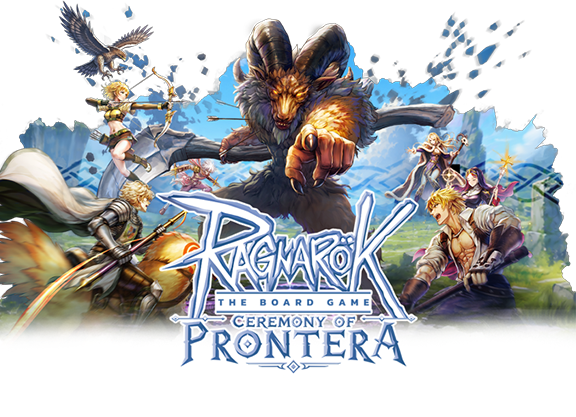
This week we have something a little different for RO fans who want a more tangible Midgard experience…
We’re excited to share that Ragnarok the Board Game: Ceremony of Prontera is a new TTRPG coming to your gaming table!
As you would expect from any RO game, you can pick your character class and take on powerful bosses.
There are multiple versions planned. Choose the standard edition with stand-up pieces, or go deluxe for miniature figures.
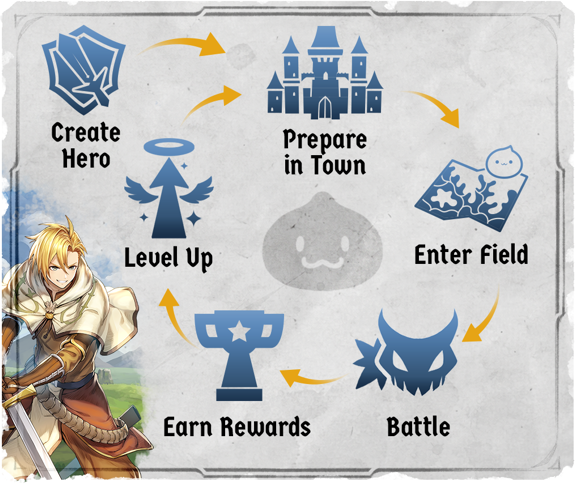
What’s surprising is that they’ve already shown plans for expansions for both Payon and Izlude!
There are even some class progression mechanics shown, as well.
Iconic bosses are here adding to the adventure, too.
Of course, there is a playable poring for more dedicated players. So cute!
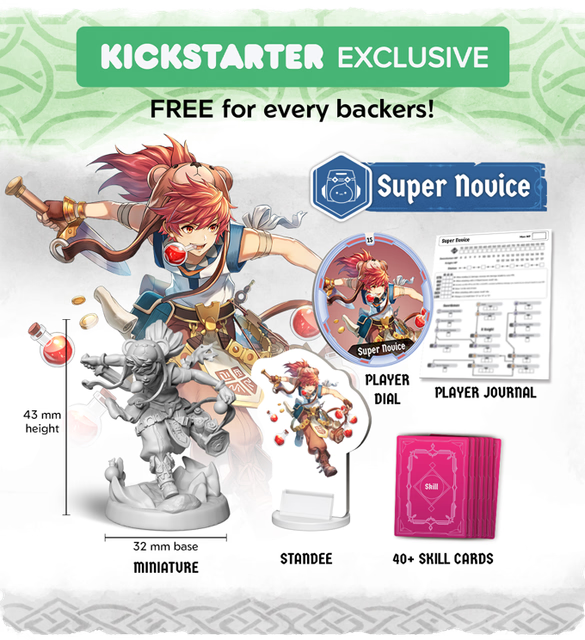
A nice backer perk is the special Super Novice class. This is a Kickstarter exclusive, so please keep that in mind.
Teams at Gravity and Siam Board Games are still working on the game, so be aware that dates and rewards can change.
For more details, check the official Kickstarter page here:
View on Kickstarter
Thanks for reading. See you next time!
Ragnarok Online Welcomes Baby Shark!

We’re Back!!
This week we’re putting a spotlight on our special partnership with Baby Shark!
Pinkfong’s crew is off on vacation, and you get to help them out. We’re making shark friends!
This event adds themed gear, costumes, plus a few packages that are limited to one per account.
There is also a Baby Shark Bag that comes with gameplay bonuses, and the Baby Shark Hood as a costume.
There are also doll selection boxes that come bundled with refining materials to power-up your kit.
Baby Shark and RO is the charming combo you never knew you needed.
We’re pretty excited to share it with all of you.
Hope you enjoy it! Event is live until Nov.03 (Pacific).
That’s all for now!
Thanks for joining us.
See you next time!!
Tokyo Game Show 2026!
Tokyo Game Show (TGS) 2026 was absolute sensory overload in the best way possible. From jaw-dropping AAA booth builds to some of the weirdest and most creative indie concepts I’ve ever laid eyes on, the show floor was buzzing from day one.
While the event was originally slated to break records with an expanded 5-day run (up from the traditional 4), severe weather unfortunately forced organizers to pull the plug on the final day. Despite the truncated schedule, TGS 2026 delivered in a huge way.
The Selected Indie 80 area was arguably the most exciting corner of the convention. TGS selected just 80 developers out of a staggering 1,500+ applicants, and the sheer creativity on display was wild, such as a virtual reality title where the only way to move your character forward is by rapidly shaking your head like a maniac to a high-concept, first-person rhythm game set in the 17th century.
It wouldn’t be TGS without AAA studios pulling out all the stops, and two booths stood out for me. Square Enix turned their floor space into a photo-op paradise. Front and center was a massive, glowing replica of the iconic Final Fantasy VII meteor, alongside dramatic stage recreations of fan-favorite scenes (including Sephiroth’s infamous descent). Attendees also queued up for hands-on time with playable demos of the highly anticipated Final Fantasy VII Revelations.
Pocketpair opted for pure chaos and crowd interaction. Beyond showing off upcoming titles from their publishing partners, the booth felt like a mini-theme park complete with ridable motorized Pals, claw machines, and live virtual Pal races were attendees got to pick their Pals and see if they won.
A stop by the Gravity Game Arise booth provided a look at familiar favorites like Light Odyssey, Aeruta, and Jaleco Arcade Collection Vol. 1 & 2. However, the real head-turner was a fresh look at their main event, Ragnarok Project. The major news here? Ragnarok Project is officially heading to consoles, a massive milestone for the franchise. The team is currently targeting a launch window in 2027, and it’s definitely one to keep on your radar.
— Kevin D, Client Success
PHOTO DUMP!!
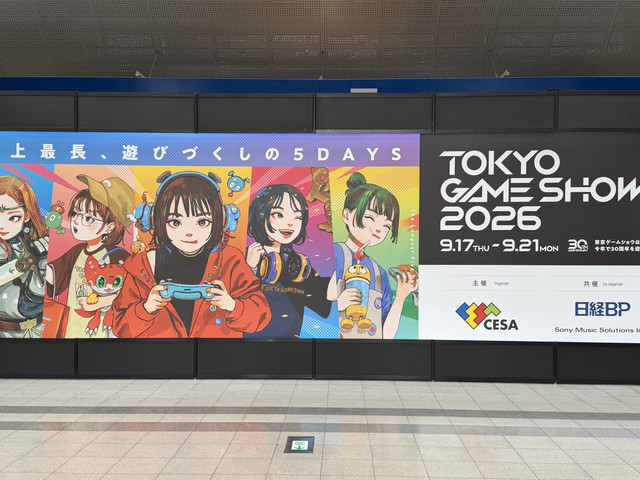
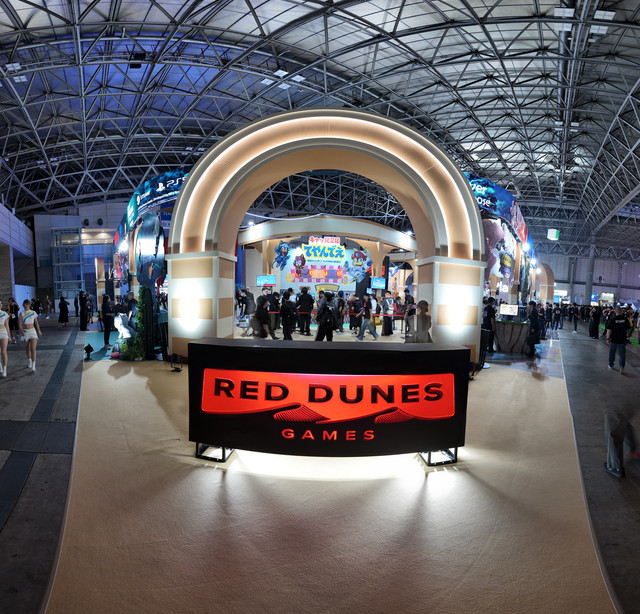
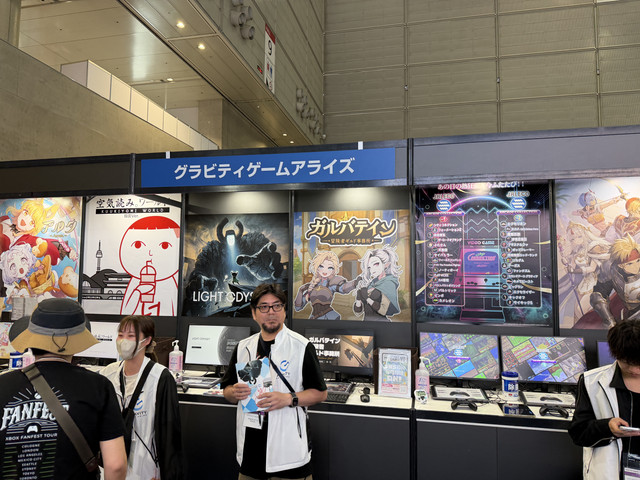

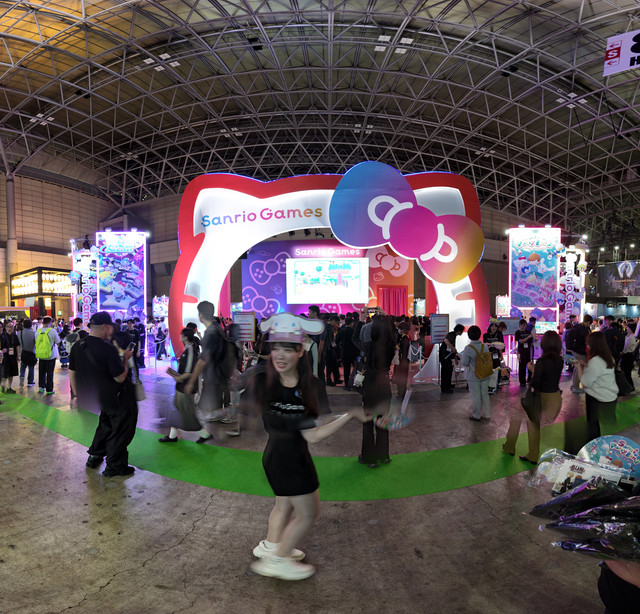
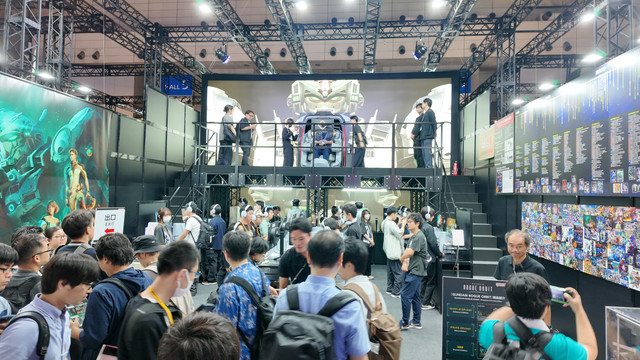
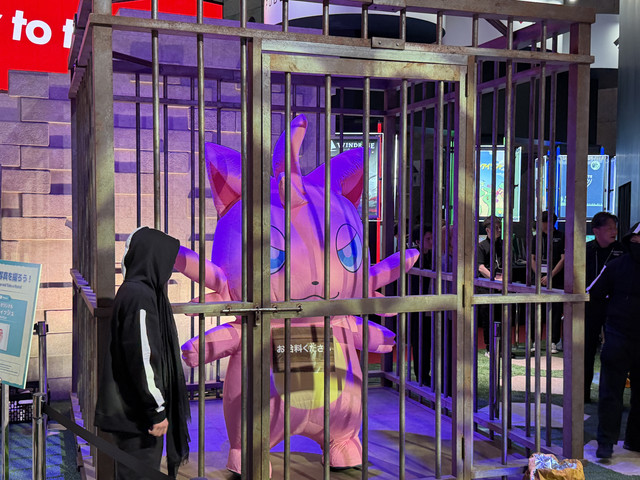
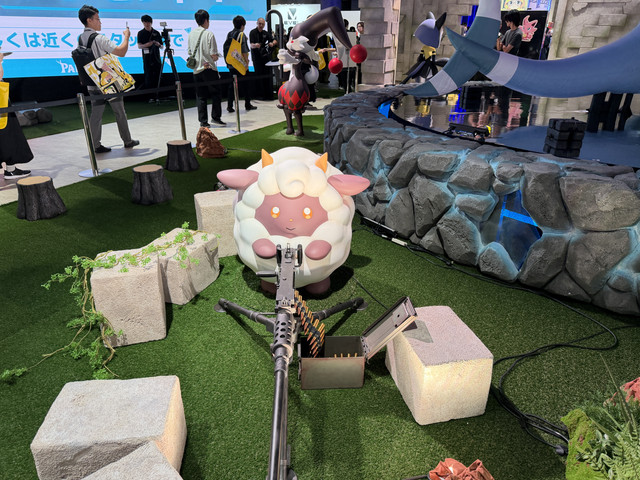
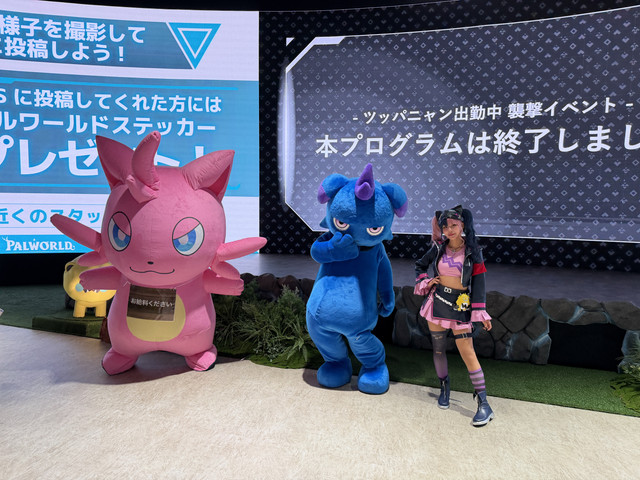
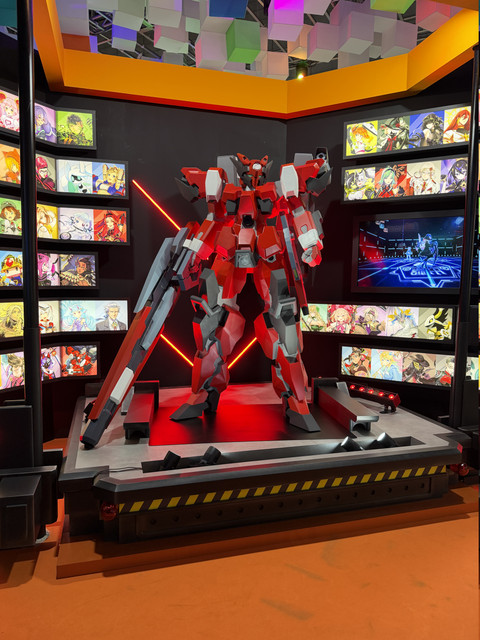

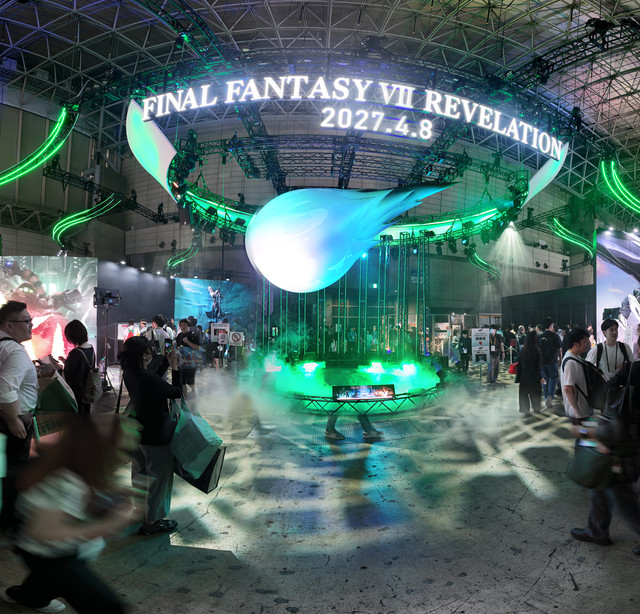

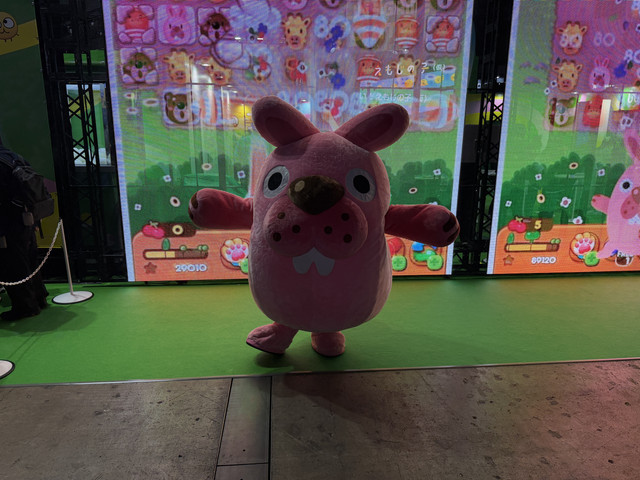
That’s a wrap on TGS 2026. Such a cool game event.
Thanks to Kevin D for sharing a glimpse of his trip and thank you for reading!
See you next time!!
Celebrating Live Creative Day
This week we’re celebrating Live Creative Day (Sept.14) by taking a look at ways certain games have changed the industry by creating or recrafting a genre.
In celebration of Live Creative Day, it is worth recognizing how creativity can transform the gaming industry.
Some developers do more than create a successful game within an established genre — they introduce an idea so distinctive that it becomes a genre of its own. Vampire Survivors, for example, popularized the “bullet heaven” formula so dramatically that many players now associate the entire genre with the game. Titles such as Dark Souls have had a similar impact, inspiring the term “Soulslike.” These games show that true creativity is not always about following existing trends; sometimes, one original idea can establish a new direction for countless games to follow.
— Justin J, Asst Project Manager
When I think of creative ways the industry came a few notable entries come to mind.
First, a juggernaut which many originally called a simple Zelda clone really fired up the adventure genre by mixing a solo gameplay and stories focused on a central, lead character by adding multiplayer and gacha mechanics. This formula really broke open what adventure games could be and started a massive trend in the adventure category. Players could now craft builds and ‘pull banners’ on desirable characters, weapons based on utility or appearance – finally free of the limitations of the game developers vision for how the fantasy could play out. This bold hybrid also gave players a gender choice which is another feature many adventures games still do not offer commonly.
Another industry-changing game was Ingress and by extension Pokemon Go, Pikmin Bloom, and Monster Hunter Now by Niantic.
These games take players outside and also created the sense of social gameplay away from the couch or traditional desktop. The mixture of discovery, geography, and recognizable brands pushed a somewhat hum-drum category like GPS into the popular narrative and helped millions of players extend the idea that gaming is no longer an isolated, anti-social activity.
I was bummed when they closed the Harry Potter location based game Harry Potter: Wizards Unite as I’m a fan of the franchise but I’m sure Niantic will receive some strong competition in the coming years. Personally, my current favorite is Pikmin Bloom which I find to be more motivating than Pokemon GO, in particular, because Pikmin rewards continual movement whereas Pokemon GO often creates scenarios where gamers are standing still waiting for a special event or pokemon to appear instead of getting in more steps.
Finally, both categories (gacha adventure, location based gaming) are still in their infancy and I can’t wait to see what new adventures are in store from both.
— Mace T, Project Manager
That’s all from the team at Gravity Interactive this week.
See you next week!
Celebrating Video Games Day
Hi, everyone!
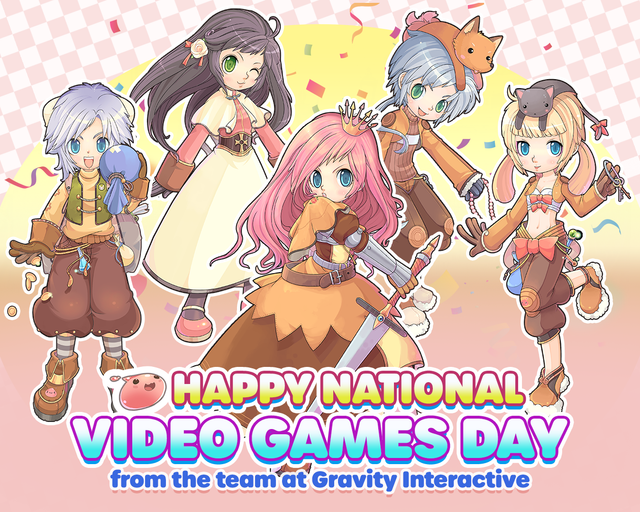
This week we’re taking it easy due to the hot weather and celebrating National Video Games Day this Saturday, September 12th.
This day honors games because they are both fun and challenging. Video games also connect people and help us learn more about ourselves.
Another great thing is that video games evolve. They have been around so long that we now make retro games to honor the design, systems, and artwork from previous generations.
Things are changing quickly in video games, as well. Smaller teams now make games where that was not really possible due to technical limitations.
Now, some people even make games with artificial intelligence to help cover gaps in the development process.
It’s an exciting time to be a gamer. So let’s celebrate video games together!
Play with a friend or tackle some challenges alone – it’s up to you. That’s another one of the great benefits of video games!!
See you next time!
Have a great weekend!!